I often wonder if my work really matters... will it leave a real legacy beyond my years of contribution that affects others I'll never meet? I can guarantee this group of men were grateful for the work and modest paycheck during a challenging season in our country's history but had zero comprehension of the legacy they were leaving in the process.
Howdy,
I hope you're celebrating your work this Labor Day! Contrary to popular opinion these days, work is a blessing. The opportunity we have to use our mental and physical assets to create things and serve others is unique to being human. Labor Day is a special holiday that creates intentional space for us to take a moment to reflect on our contributions as well as those of others. We all contribute uniquely but I want to put the spotlight on one particular unlikely crew of laborers that have left a significant impact on our country.
In the midst of the Great Depression, as the United States grappled with economic turmoil and environmental degradation, a visionary program emerged to address both issues simultaneously. The Civilian Conservation Corps (CCC) came out of the FDR's New Deal and left an indelible mark on the American landscape and the lives of countless individuals. The inspiring work of the CCC and the lasting legacy it has left behind are worth noting and celebrating!
Established in 1933, the CCC was a groundbreaking response to the challenges of unemployment and ecological decline. With millions of young men unemployed and natural resources under threat, the CCC provided a solution that tapped into the boundless energy of youth while revitalizing the environment. Under the leadership of the CCC, young men from all walks of life were employed to engage in transformative conservation projects across the nation.
Though the CCC was a powerful workforce at 3 million strong, it represented much more than that; it was an opportunity for young men to gain valuable skills while actively contributing to the betterment of their nation. From reforestation efforts to soil erosion control, the CCC's projects addressed pressing environmental concerns head-on. Trails were blazed, forests were replanted, and parks were developed, setting the stage for the modern conservation movement and ensuring that future generations could enjoy the beauty of America's natural landscapes.
Beyond the ecological impact, the CCC also left a lasting legacy of public infrastructure. Many of the bridges, roads, and recreational facilities built by CCC workers continue to serve communities across the country. The structures they crafted stand as a testament to the CCC's commitment to both the environment and the well-being of the American people.
The CCC was not just about manual labor; it was a life changing experience for the young men who participated. Many came from impoverished backgrounds and lacked formal education, but the CCC provided them with training, education, and discipline that served them well throughout their lives. Corps members learned leadership, teamwork, and personal responsibility, equipping them to contribute positively to society long after their service had ended.
Below are some of the CCC highlights I pulled together with photos to boot. Enjoy!
Reforestation and Forest Management: The CCC played a crucial role in reforestation efforts across the United States. Millions of trees were planted to combat deforestation and soil erosion, helping to restore damaged ecosystems and ensure sustainable timber resources.
The CCC planted approximately 3.5 Billion trees over a 9 year span from 1933 to 1942
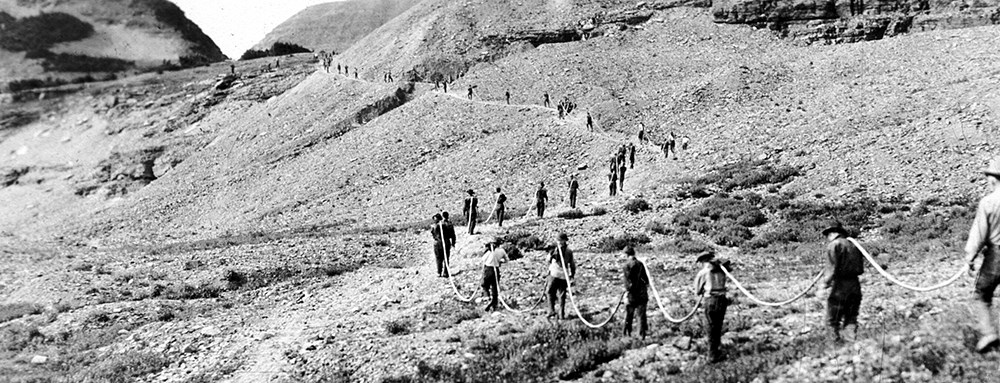
Infrastructure Development: The CCC constructed an extensive network of trails, roads, bridges, and campgrounds in national and state parks. These infrastructure projects improved public access to natural areas, making them more enjoyable and accessible to generations of Americans.
The CCC beginning construction on the Going To The Sun Road in Glacier National Park.
Soil Conservation: The CCC focused on soil erosion control, building terraces, check dams, and other erosion control structures. These efforts helped prevent soil degradation, protect farmland, and maintain the fertility of the land.
The CCC building a rock dam by hand.
Wildlife Habitat Restoration: The CCC worked to restore and enhance wildlife habitats by clearing invasive species, planting native vegetation, and creating suitable environments for various species.
The CCC removing invasive species in southern Wisconsin.
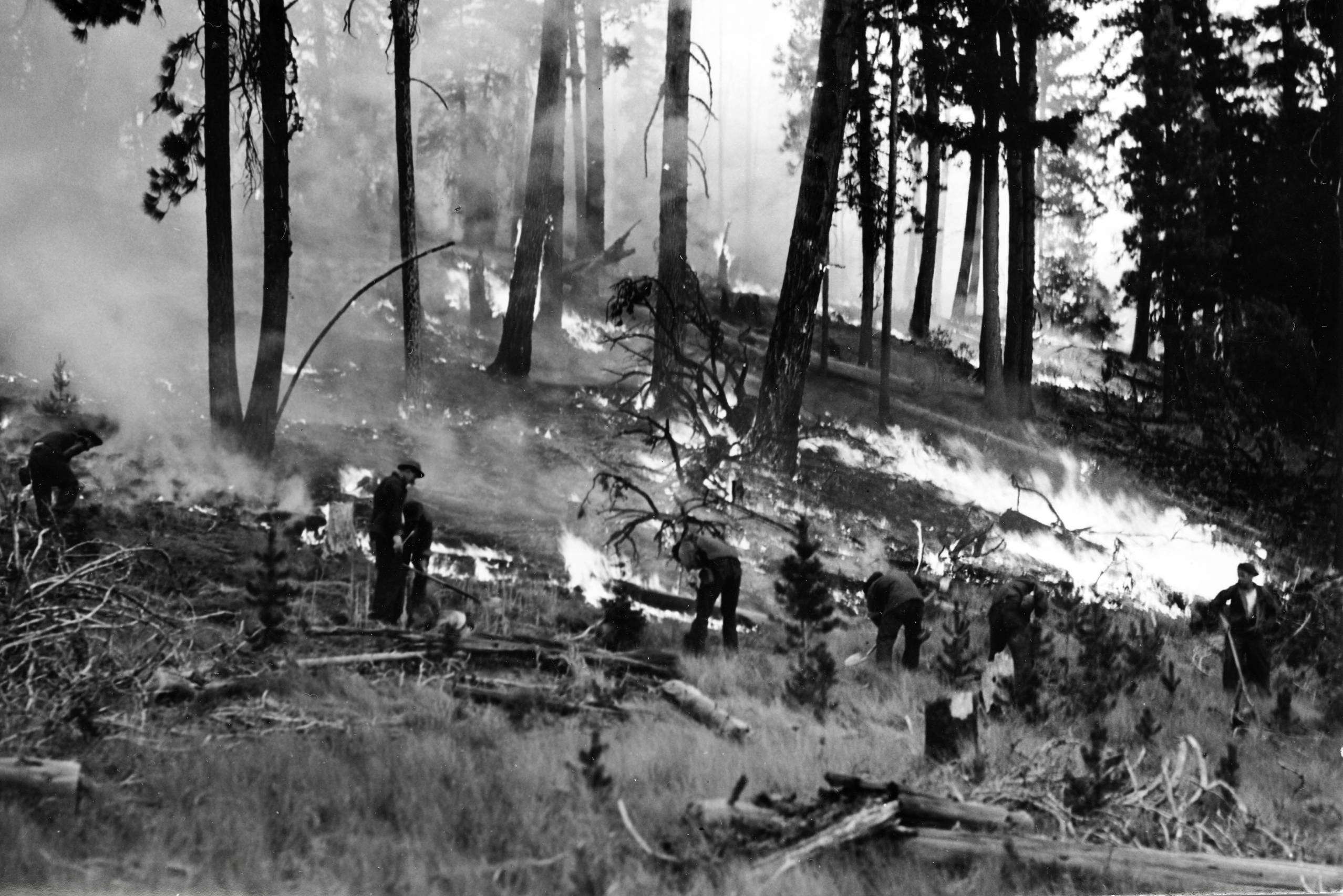
Fire Prevention and Management: The CCC played a key role in fire prevention and management by clearing underbrush and creating firebreaks. This helped reduce the risk of wildfires and protect forests from destructive blazes.
The CCC helping fight a wildfire.
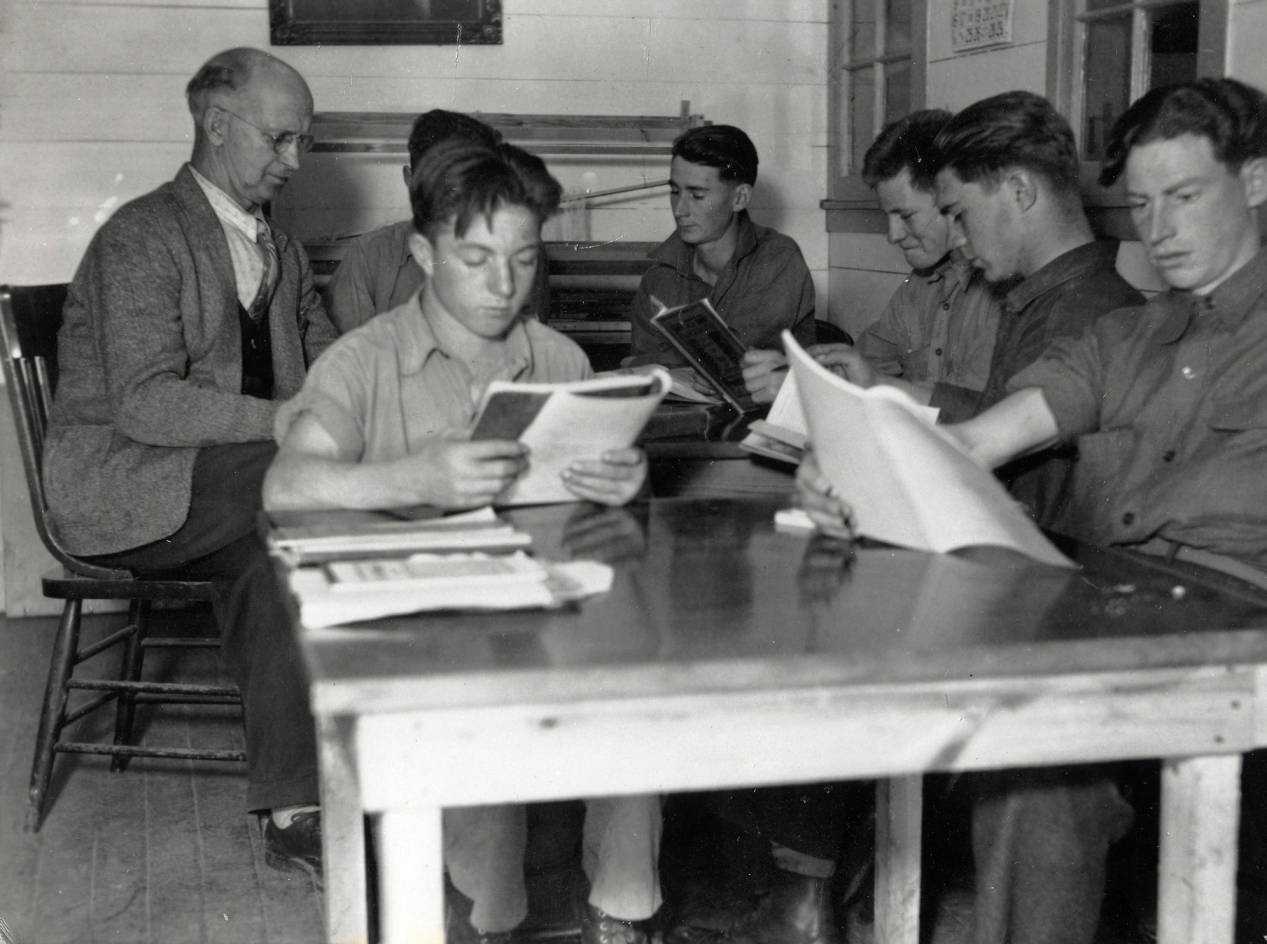
Educational Opportunities: While working on conservation projects, CCC members received educational and vocational training. This training equipped them with valuable skills that they could use throughout their lives.
A CCC crew receiving a nontraditional education.
Youth Empowerment: The CCC provided employment and a sense of purpose to millions of young men during the Great Depression. It gave them the opportunity to contribute to their communities and build character through hard work and discipline.
Fresh off the heels of the Great Depression, few things remained to distract folks from the value of vision, hope, and purpose.
Parks and Recreation Development: Many national and state parks were established or enhanced with the help of the CCC. Campgrounds, picnic areas, trails, and recreational facilities were developed, encouraging outdoor activities and boosting tourism.
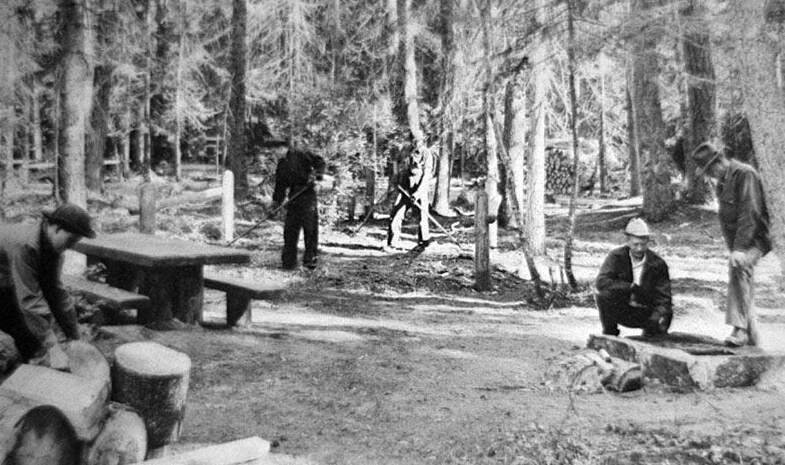
The CCC building a campground in Utah.
Environmental Awareness: The CCC fostered a sense of environmental stewardship and conservation ethics among its members and the general public. It raised awareness about the importance of protecting natural resources and paved the way for the modern conservation movement.
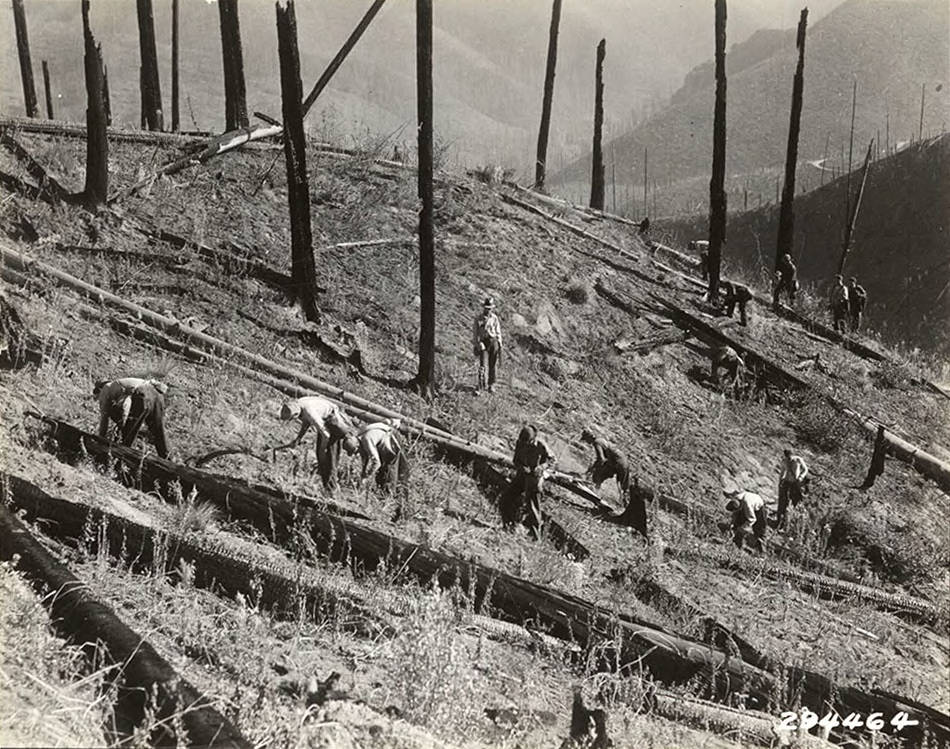
The Civilian Conservation Corps working in the mountains of Idaho.
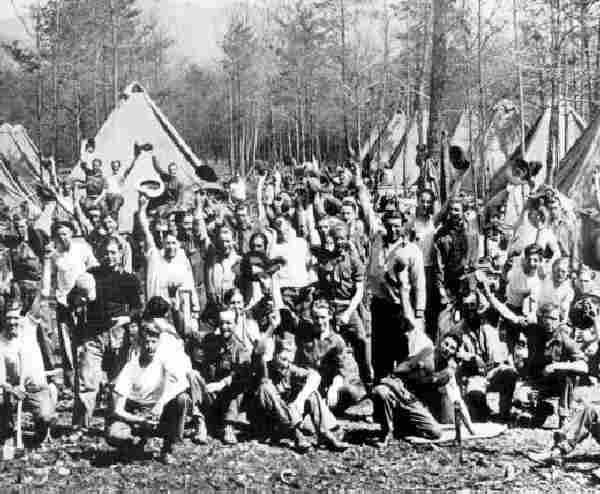
While WWII raged overseas, the CCC was quietly working here at home. Their means were meager, their motels modest, but their mark was monumental.
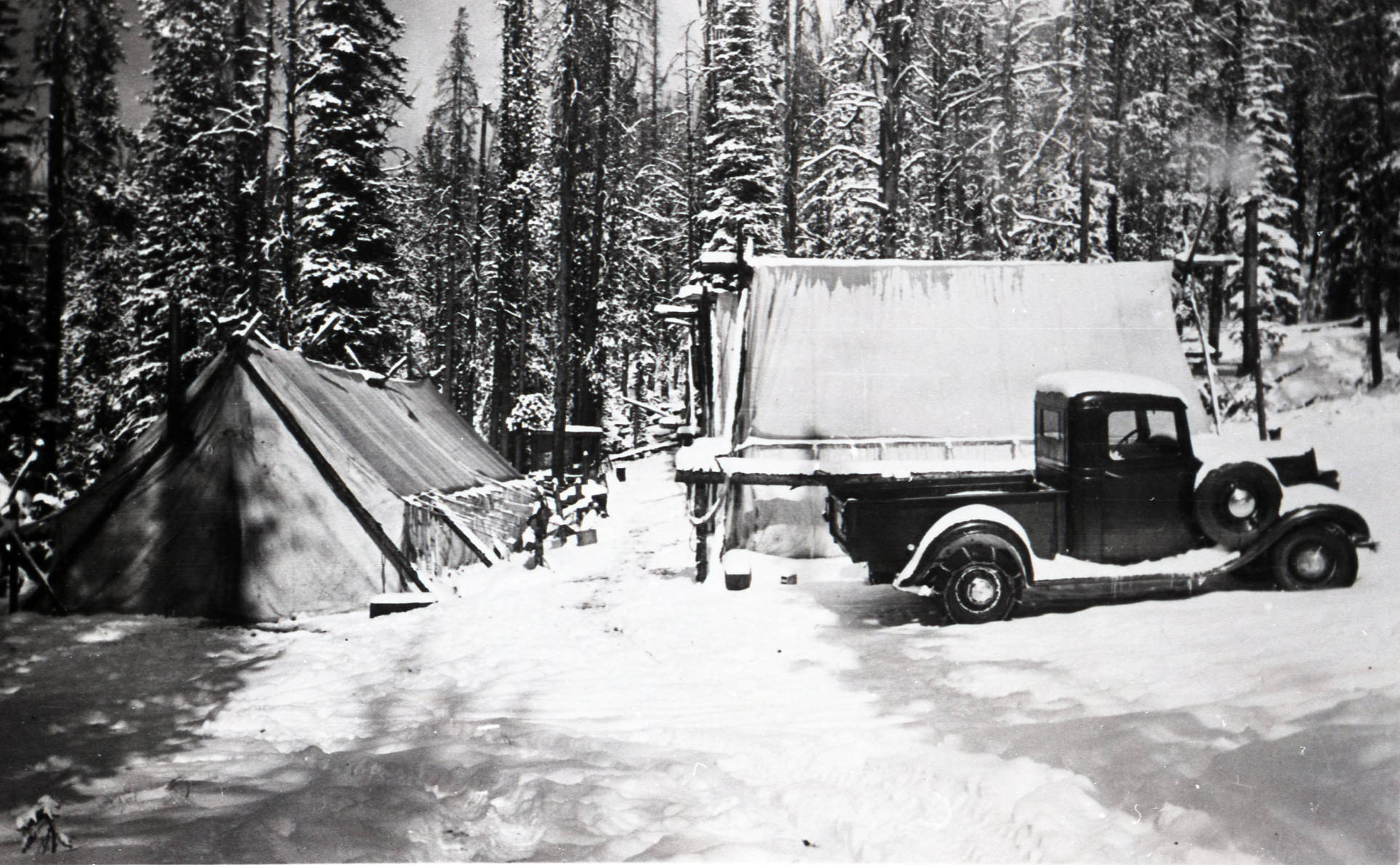
The Civilian Conservation Corps camp in winter.
The CCC's legacy offers lessons that resonate even today. As we confront environmental challenges and economic uncertainties, the CCC reminds us of the power of innovative solutions that simultaneously address both issues. Its focus on youth, conservation, and community engagement serves as a model for how collaboration can lead to positive change, leaving a legacy that should inspire us and generations to come.
The Civilian Conservation Corps remains a beacon of hope and achievement during one of the most challenging periods in American history. Its legacy is woven into the fabric of the nation, from the forests it replanted to the lives it transformed. As we reflect on the CCC's remarkable impact, we are reminded of the profound potential that lies within the intersection of environmental stewardship, youth empowerment, and visionary leadership. The CCC's story is a testament to the idea that even in times of adversity, with determination and collective effort, we can build a brighter future for both our communities and the natural world we hold dear.
These accomplishments of the Civilian Conservation Corps had a lasting impact on the United States, leaving a legacy that can still be seen and felt in the nation's landscapes, infrastructure, and conservation ethos.
Live Well This Week, - Sean & The Herd @ Northstar
Get our Newsletter
Exclusive discounts, early access to new products, and special content
Use left/right arrows to navigate the slideshow or swipe left/right if using a mobile device
Choosing a selection results in a full page refresh.